How can college students save themselves after a sprain or strain?
Hey there, fellow college students! Life on campus is full of energy and excitement, from rushing to classes to participating in all sorts of sports and physical activities. But sometimes, in the midst of all that action, we might end up with a nasty twist or strain. Whether it's a sudden turn on the basketball court or an awkward step while running,sprain and strain can really put a damper on our day. So, let's dive into some practical self - help tips for dealing with these common injuries right here on campus.
Understanding the Difference: Sprain vs. Strain
Before we get into the self - help measures, it's important to know the difference between a sprain and a strain. A sprain occurs when you overstretch or tear a ligament, which are the tough bands of tissue that connect bones at a joint. On the other hand, a strain is an injury to a muscle or tendon, the fibrous cords that attach muscles to bones.
For example, if you land awkwardly on your ankle while playing soccer and feel a sharp pain, it's likely a sprained ankle. If you overexert yourself while lifting weights and feel a pull in your back muscles, that's more likely a strain. Knowing this distinction can help you better understand the nature of your injury and take appropriate action.
Immediate First Aid: The RICE Method
When you first realize you've twisted or strained something, the RICE method is your go - to first aid approach.
Rest
Stop the activity that caused the injury right away. Continuing to move or put weight on the injured area can make the damage worse. For instance, if you've sprained your wrist while playing volleyball, don't try to keep playing through the pain. Take a break and give your wrist a chance to start the healing process.
Ice
Applying ice to the injured area can help reduce swelling and pain. Wrap an ice pack or a bag of frozen vegetables in a thin towel and place it on the injury for 15 - 20 minutes at a time. Do this several times a day, especially in the first 24 - 48 hours after the injury. Just make sure not to apply ice directly to your skin, as it can cause frostbite.
Compression
Using an elastic bandage or compression wrap can also help control swelling. Wrap the injured area snugly but not so tight that it cuts off circulation. If you notice any numbness, tingling, or increased pain, loosen the wrap. For example, if you've strained your calf muscle, a compression bandage can provide support and reduce the swelling.
Elevation
Try to keep the injured area elevated above the level of your heart as much as possible. This helps drain excess fluid away from the injury, reducing swelling. If you've sprained your ankle, prop your foot up on a pillow while sitting or lying down.
Over - the - Counter Pain Relief
If the pain is making it difficult to function, you can consider taking over - the - counter pain relievers like ibuprofen or acetaminophen. These medications can help reduce pain and inflammation. However, always follow the recommended dosage on the label and be aware of any potential side effects. If you have any pre - existing medical conditions or are taking other medications, it's a good idea to check with a healthcare professional before taking these pain relievers.
When to Seek Medical Help
While most minor sprains and strains can be treated at home with the above methods, there are times when you should seek medical attention. If you experience severe pain, significant swelling, inability to move the injured joint or muscle, or if the injury is accompanied by numbness or a tingling sensation, it's best to see a doctor. They can assess the extent of the injury and recommend appropriate treatment, which may include physical therapy or, in severe cases, surgery.
Preventing Future Injuries
Once you've recovered from your sprain or strain, it's important to take steps to prevent future injuries.
Warm - Up and Cool - Down
Before engaging in any physical activity, spend a few minutes warming up your muscles. This can include light jogging, jumping jacks, or dynamic stretching. After the activity, cool down with some static stretching to help your muscles relax and prevent stiffness.
Use Proper Equipment
Make sure you're using the right equipment for your sport or activity. For example, wear proper - fitting shoes that provide good support for your feet and ankles. If you're playing a sport like basketball or tennis, use the appropriate protective gear, such as knee pads or elbow pads.
Build Strength and Flexibility
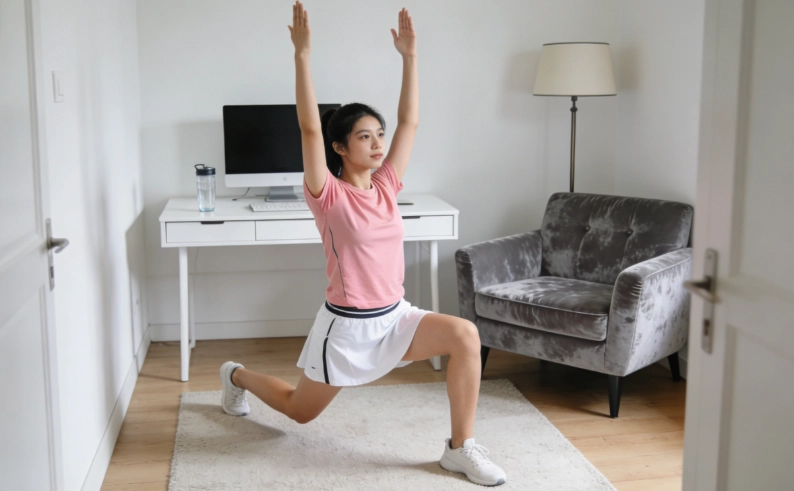
Regular strength - training exercises can help make your muscles and joints stronger, reducing the risk of injury. Incorporate exercises that target the major muscle groups in your body, such as squats, lunges, and push - ups. Additionally, flexibility exercises like yoga or Pilates can improve your range of motion and help prevent strains.
Balancing Sports and Studies
As college students, we know that sports and physical activities are just a part of our busy lives. We also have to balance our studies, and sometimes we find it hard to bear. There are many resources that can assist our academic work, such as BlackTom, which can offer services like learning quizzes or paper rewriting assistance, providing college students with the quality or originality needed for their assignments.
At the same time, you should make a study plan to strike a balance between sports and your studies. Make use of the resources available on campus, such as libraries, study groups or tutorial services. By taking a proactive approach to our physical and academic health, we can make the most of our college experience.
In conclusion, dealing with a sprain or strain can be a setback, but with the right self - help measures and a focus on prevention, we can get back on our feet (or ankles, or wrists!) in no time. And remember, when it comes to our studies, it's better to put in the effort ourselves rather than relying on unreliable AI - based solutions. Stay safe and healthy, my friends!